
I remember the exact moment I decided to become a nail stylist.
I was sitting in a salon chair, watching my technician work, when she said something that stuck with me: “I used to sit where you’re sitting, wishing I could do what I’m doing. One day I just decided to learn.”
That conversation changed my trajectory. Today, I want to share what I’ve learned about turning nail passion into profession—the training, the tools, and the truth about building a career in this creative field.
Why Nail Styling?
Let’s start with the obvious question: why choose this path?
The nail industry is growing faster than almost any other beauty sector. According to the U.S. Bureau of Labor Statistics, jobs for licensed nail technicians are expected to grow 33% by 2030—much faster than the average for all occupations . People are prioritizing self-care, and nail services are at the center of that trend.
But the numbers only tell part of the story. Nail styling offers something many jobs don’t: creativity, flexibility, and direct connection with clients. You can set your own schedule, work in a salon, run a mobile business, or even open your own studio . Every day brings new faces, new designs, and new challenges.
A nail educator once told me: “This isn’t just a job. It’s a skill you’ll carry forever, something you can do anywhere in the world.”
The Training Path: What You Need to Know
Formal Education Requirements
In most regions, becoming a licensed nail technician requires completing a state-approved training program. Hours vary by location—for example, Arizona requires a minimum of 600 hours for Nail Technician licensure, while other states may have different requirements.
These programs typically cover:
Manicuring and pedicuring techniques
Nail enhancements (acrylics, gels, wraps)
Nail art and design
Health, safety, and sanitation
Anatomy and physiology
Salon management and client care
Many community colleges and vocational schools offer these programs. Johnson County Community College, for instance, offers a 13-week Nail Technology program that prepares students for state board licensing exams.
Alternative Training Routes
Formal education isn’t the only path. Options include:
Specialized nail courses. Private beauty schools and nail studios offer focused training programs. These often provide more hands-on practice and smaller class sizes.
Apprenticeships. Some salons hire trainees and provide on-the-job training. This route lets you earn while you learn, though it may take longer to complete required hours.
Online courses with practical components. Online learning has expanded options significantly. Some programs combine theory through distance learning with in-person practical assessments.
Masterclasses and workshops. Even after certification, continuous learning matters. Attending workshops by high-level specialists helps you master new techniques and stay current with trends.
Certification and Licensing
After completing required training, you’ll need to pass written and practical exams to obtain your license. This typically involves demonstrating skills on a live model under observation.
Some programs offer additional certifications that carry international weight. For example, certain courses provide pathways to UK-based qualifications like CIBTAC or VTCT certifications, which can open doors globally. One Taiwanese program advertises a “one exam, four certifications” approach, granting access to Hong Kong, British, and American credentials through a single testing process.
Essential Equipment and Products
Professional nail styling requires investment in quality tools. Here’s what you’ll need:
The Core Toolkit
Every nail stylist’s kit should include:
Preparation and shaping tools:
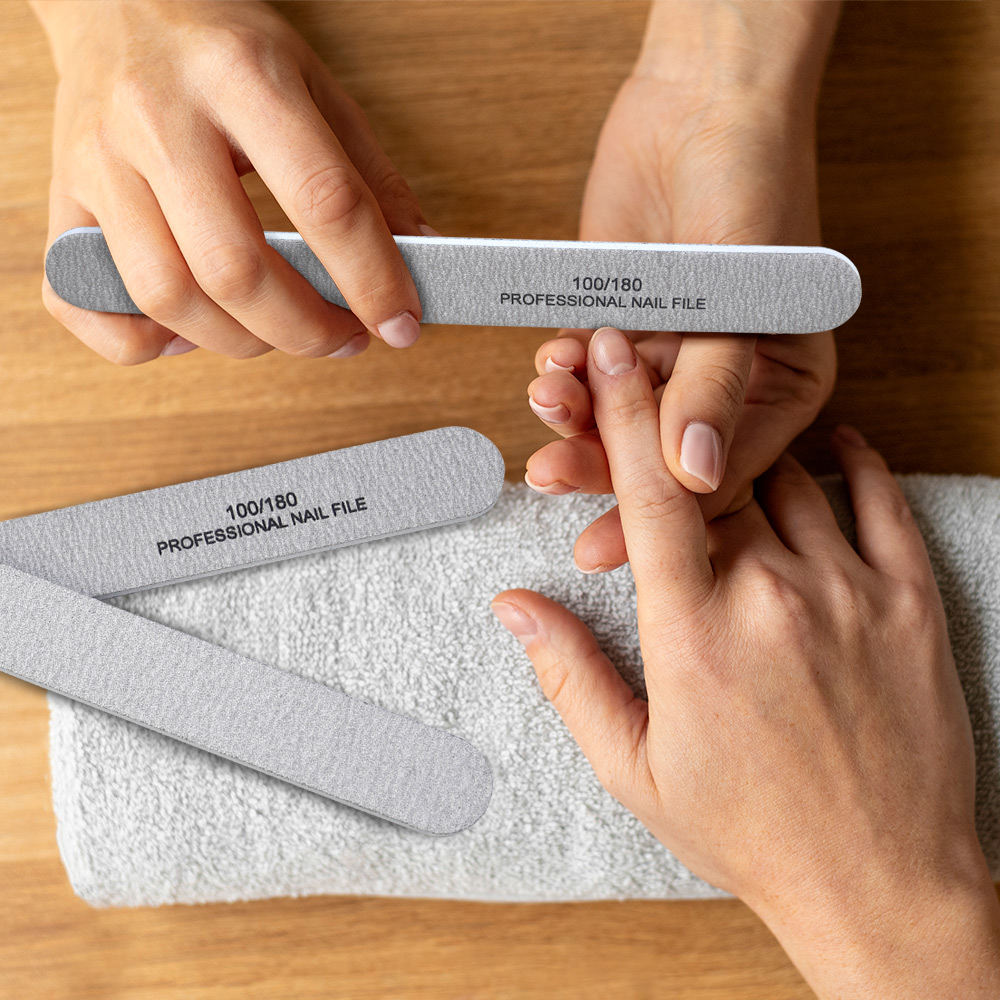
Nail files (various grits for different stages)
Buffers for smoothing surfaces
Nail clippers for length trimming
Cuticle pushers (metal and wooden)
Cuticle nippers (sharp, for dead skin only)
Dust brushes for cleaning residue
Application tools:
Professional brush sets for polish and gel application
UV or LED lamp for curing gel products
Nail primer and dehydrator for adhesion
Base and top coats
Nail art tools for creative work:
Dotting tools for patterns and designs
Striping brushes for geometric lines
Stamping plates for complex artwork
Silicone sculpting tools for 3D details
Advanced Equipment
As you progress, consider adding:
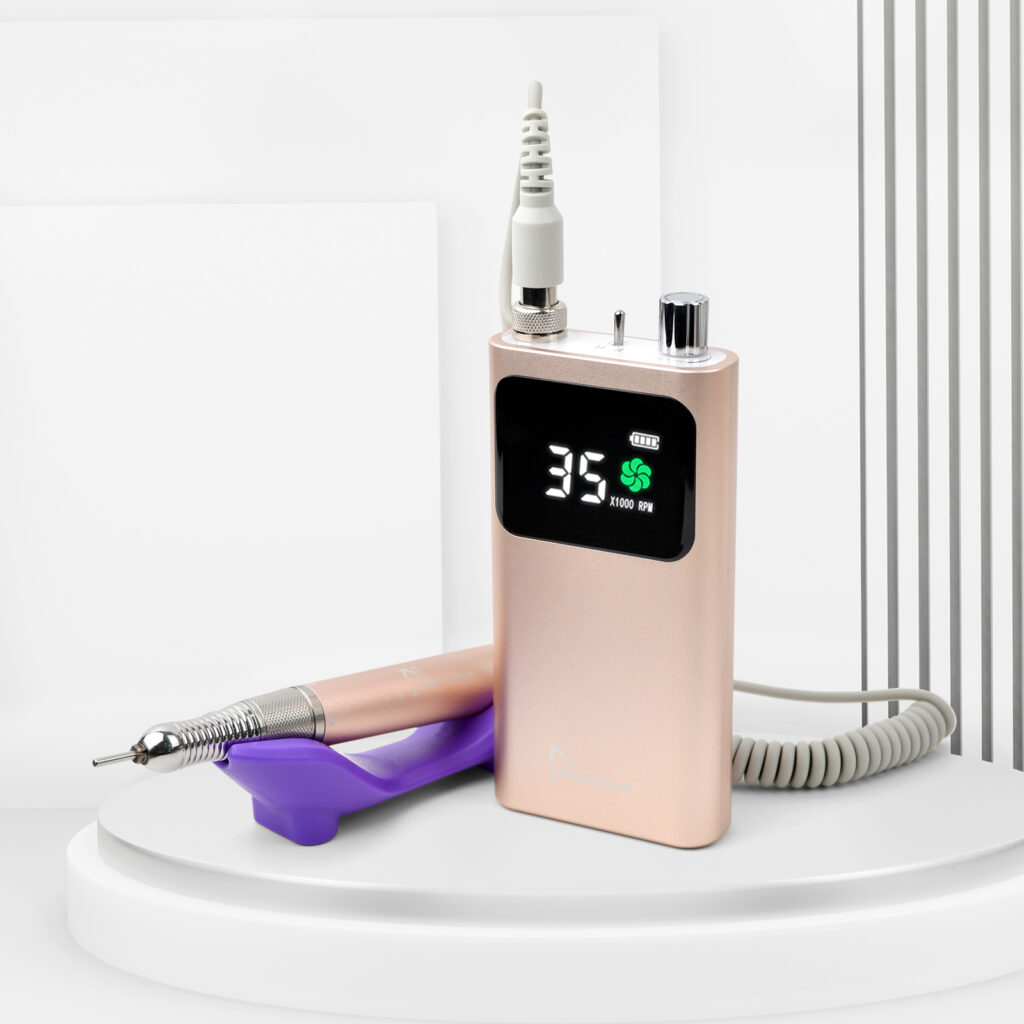
Electric nail file (e-file) with various bits for efficient shaping and removal
High-wattage UV lamp for faster, more consistent curing
Specialized brushes for different techniques (kolinsky brushes for acrylic, detail brushes for art)
Chrome powders and applicators for mirror finishes
Magnetic tools for cat-eye effects
Product Knowledge
Understanding your materials is as important as owning them. You’ll work with:
Gel systems (base, builder, color, top)
Acrylic systems (monomer liquid and polymer powder)
Dip powder systems
Nail wraps and tips
Decorative elements (rhinestones, foils, glitters, decals)
A professional nail educator shared: “Your tools are an investment. A quality e-file that lasts years is cheaper than three cheap ones that fail. Buy once, cry once.”
Beyond Technique: Building Your Business
Technical skill alone won’t build a career. Successful nail stylists also understand:
Sanitation and safety. Strict hygiene protocols protect you and your clients. Disinfect metal tools after each use, use disposable items where appropriate, and maintain a spotless workspace.
Client consultation. Learning to listen, assess nail health, and recommend appropriate services builds trust and prevents problems.
Business fundamentals. If you plan to work independently, you’ll need to understand:
Business registration and self-employment taxes
Insurance (public liability, property, etc.)
Pricing strategies
Marketing and social media
Booking systems and client management
Ergonomics. Nail stylists spend hours in seated positions. Proper chair height, table setup, and tool design prevent occupational issues like back pain and hand strain.
Common Questions from Aspiring Nail Stylists
How long does it take to become licensed?
Full-time programs can take as little as 13 weeks. Part-time options take longer. The 600-hour requirement in many states translates to about 4-5 months of full-time study.
How much does training cost?
Costs vary widely. Some community college programs run around $5,000 including kits and exam fees. Private courses may cost more. Shorter workshops and specialized classes range from hundreds to thousands.
What can I expect to earn?
Entry-level salaries in the UK average around £15,500, rising to £25,000 with experience. In the US, earnings vary significantly by location, salon type, and your ability to build clientele. Commission-based structures mean your income grows with your skill and reputation.
Do I need to be good at art?
Artistic ability helps but isn’t required. Many successful nail stylists specialize in classic services rather than elaborate designs. Technique matters more than natural talent—and both improve with practice.
The Bottom Line
Becoming a professional nail stylist combines creative expression with practical skill and business acumen. The path requires dedication—hours of training, investment in quality tools, and continuous learning. But for those who love the work, it offers something rare: a career that feels less like work and more like creative expression.
Start with research. Visit local schools, talk to working professionals, and honestly assess your commitment. Then take the first step—whether that’s enrolling in a program, booking a workshop, or simply practicing on friends.
Your future clients are waiting. And somewhere out there, someone is sitting in a salon chair, watching you work, thinking: “I wish I could do what she’s doing.”
You can.
Read also: Gel Nail Pads: Your Shortcut to a Perfect, Salon-Quality Manicure