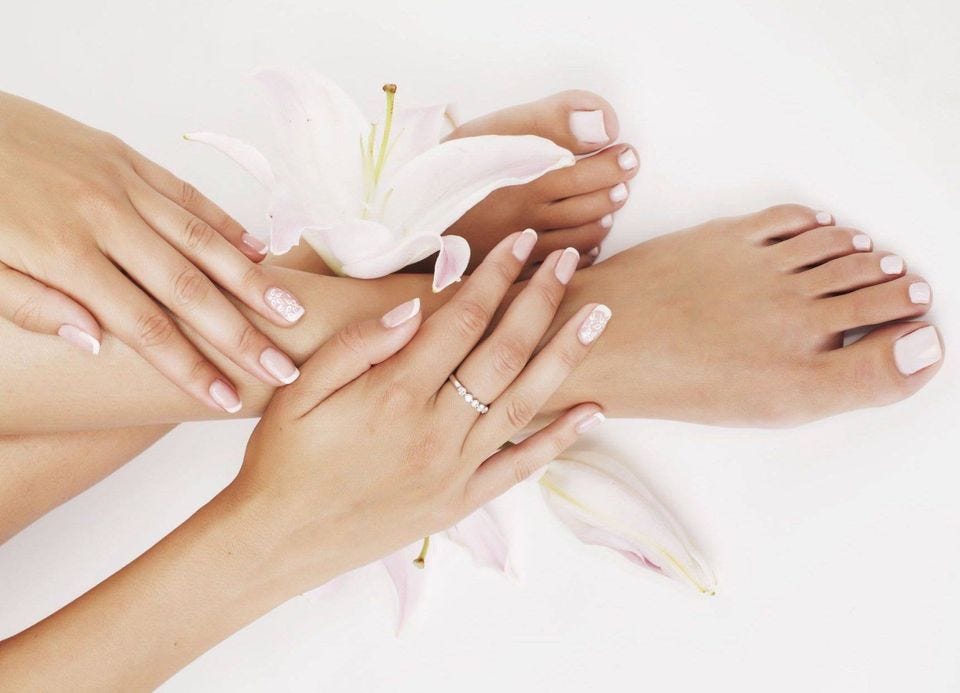
We often focus on skincare or haircare, but our nails deserve just as much attention! They’re not just tiny canvases for polish; they’re hardworking protectors for our sensitive fingertips and toes, and surprisingly, they can even give us clues about our overall health. Taking good care of your nails isn’t complicated or time-consuming, but it makes a real difference in how they look, feel, and function. Let’s dive into why nail care is important and how you can easily incorporate it into your routine.
Why Bother with Nail Care?
1. Protection Power: Nails shield the delicate tips of our fingers and toes from bumps, scrapes, and pressure. Healthy, strong nails do this job much better than brittle, weak ones.
2. Health Indicators: Changes in your nails – like unusual discoloration (yellow, white, or dark streaks), significant ridges, unusual thickening, or persistent swelling/redness around the nail bed – can sometimes signal underlying health issues, nutritional deficiencies, or infections. Paying attention helps you spot potential problems early.
3. Preventing Painful Problems: Neglected nails can lead to issues like painful ingrown toenails (especially common!), fungal infections (which make nails thick, discolored, and crumbly), or painful splits and tears. Good care helps prevent these.
4. Confidence Boost: Let’s be honest, well-groomed nails just look and feel better. They contribute to a neat, polished appearance and give a sense of being put-together.
5. Functionality: Healthy nails make everyday tasks – from typing and buttoning shirts to picking up small objects – easier and more comfortable.
How to Care for Your Nails: Easy Everyday Habits
Taking care of your nails doesn’t require fancy salons (though occasional professional manicures/pedicures are a treat!). Here’s what you can do at home:
1. Keep Them Clean & Dry:
Wash your hands and feet regularly with mild soap, gently cleaning under your nails with a soft brush.
Dry thoroughly, especially between toes! Dampness is a breeding ground for fungus.
Avoid prolonged soaking, which can soften nails too much and make them prone to breakage.
2. Trim Regularly & Correctly:
Use sharp nail clippers or manicure scissors.
Fingernails: Trim straight across, then gently round the tips with a nail file to prevent snagging. Avoid cutting too short.
Toenails: Always trim straight across. Never round the corners deeply, as this significantly increases the risk of ingrown toenails. File any sharp edges gently.
File nails in one direction (back-and-forth sawing weakens them) using a fine-grit file.
3. Moisturize, Moisturize, Moisturize:
Apply hand cream regularly throughout the day, especially after washing.
Massage cuticle oil or a rich moisturizer into your cuticles and nail beds daily. This keeps them soft, prevents hangnails, and nourishes the nail as it grows.
4. Be Gentle & Protect Them:
Wear Gloves: Always wear rubber gloves when washing dishes, cleaning with harsh chemicals, or doing messy chores. Water and chemicals are major enemies of nail strength.
Avoid Using Nails as Tools: Don’t pry open cans, scrape off stickers, or pick at things with your nails. Use the proper tool instead!
Be Cautious with Polish & Remover.
Limit Artificial Nails/Gels: While fun for special occasions, frequent use of acrylics, gels, or dip powders can significantly weaken your natural nails over time. Ensure proper application and removal by professionals.
5. Nourish from Within:
A balanced diet rich in protein (the building block of keratin, which nails are made of), biotin (found in eggs, nuts, seeds), vitamins (like C and E), and minerals (like iron and zinc) supports healthy nail growth. Stay hydrated too!
6. Handle Cuticles with Care:
Don’t cut them! Cuticles act as a protective seal. Pushing them back gently after a shower or bath (when they’re soft) with an orange stick is sufficient. Aggressively cutting can lead to infection.
7. Know When to Seek Help:
If you notice persistent problems like signs of infection (pain, swelling, pus, significant discoloration), an ingrown toenail that’s painful or infected, sudden changes in nail shape or color, or if a nail injury causes significant bleeding or pain, see a doctor or a dermatologist. Don’t ignore persistent issues.
In a Nutshell:
Nail care is a simple but essential part of overall hygiene and self-care. By incorporating these easy habits – keeping nails clean and dry, trimming properly, moisturizing diligently, protecting them from damage, and paying attention to changes – you invest in stronger, healthier, and better-looking nails. Healthy nails aren’t just about vanity; they protect you, can signal your health, and prevent painful problems. So, give your hardworking nails the TLC they deserve – they’ll thank you for it!
Read also: The Nail File: Your Secret Weapon for Perfect Nails